Behind every seamless retail transaction is a team of staff working hard to make it happen. As customer expectations grow and staff shortages remain a persistent problem, retailers need a sustainable way to meet consumer demand without adding headcount they can't find. From managing inventory to assisting customers to keeping shelves stocked, a lot of manual work eats into staff time every shift. Automating and streamlining those repetitive tasks doesn't replace people, it frees them up to spend more time on the parts of the job that actually build customer relationships. Here are three ways AI can take some of that burden off retail associates.
Removing the stress of repetitive tasks
A large share of the daily burden on staff comes from repetitive, time-consuming work that disrupts the flow of in-store operations: manually checking stock levels, forecasting upcoming inventory needs, and creating markdowns on slow-selling items.
AI-powered inventory tools address this by enabling automated, real-time stock tracking. Retailers can keep an accurate count of inventory as it moves, predict what they'll need before they run short, and generate discounts on slow movers automatically, which takes manual inventory tasks off staff's plate. AI-enabled systems can also trigger reorders or transfers from warehouse to store automatically based on dynamic stock thresholds, reducing the amount of oversight staff need to provide.
Letting AI take over routine query handling
Day-to-day, generic customer questions consume a meaningful chunk of staff time, whether shoppers are asking online or in the store. AI-powered chatbots, deployed online or through in-store kiosks and mobile apps, can handle those general queries so staff don't have to field every one of them personally.
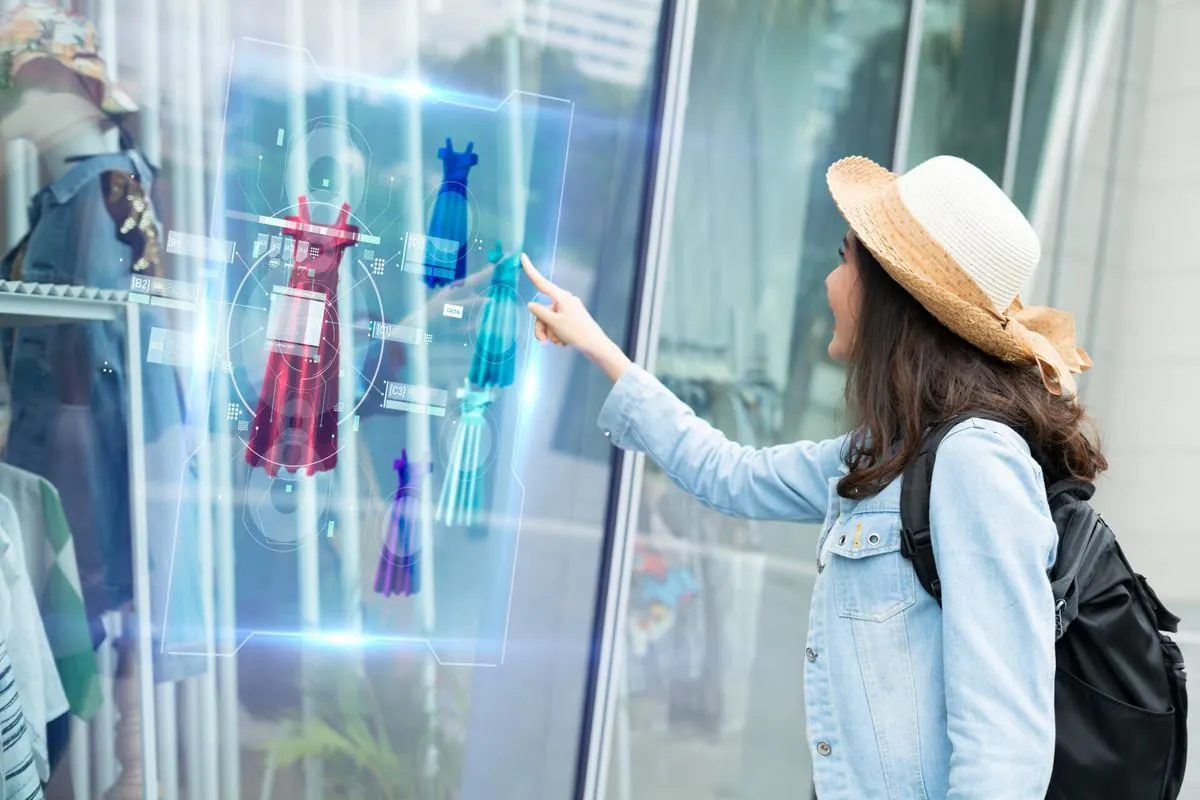
Teamwork Commerce is working with Google Cloud to integrate generative AI into its mobile point of sale. The mobile POS will include a generative AI assistant trained specifically to answer inventory questions, so staff can quickly check backroom stock or other store locations for a customer's specific request instead of leaving the floor to look themselves. AI-enabled smart dressing rooms can add to this by suggesting alternative sizes, styles, or complementary products based on what a customer tries on. With day-to-day queries and manual lookups handled by AI, staff have more room to focus on the interactions that matter. Building relationships, resolving complex issues, and creating a shopping experience worth remembering.
Simplifying personalization
Personalizing the shopping experience for every customer takes time when it's done manually. AI tools can analyze customer behavior, preferences, and purchase history to generate personalized product suggestions instantly, without staff having to piece that picture together themselves.
AI tools can also act as a kind of virtual personal shopper, helping customers land on the right product based on inputs like style, size, and past purchases. That reduces how much manual guesswork associates need to do, freeing them up to spend that time on higher-value parts of the job.
The takeaway
Human connection is still what drives retail success, but that connection is easier to build when staff aren't buried in manual, time-consuming processes. By automating time-consuming tasks, supporting floor associates, and sharpening planning and strategy, AI eases the burden on the human workforce and gives employees room to focus on customer satisfaction. Retailers that use AI to empower their staff, rather than replace them, are the ones positioned to come out ahead.