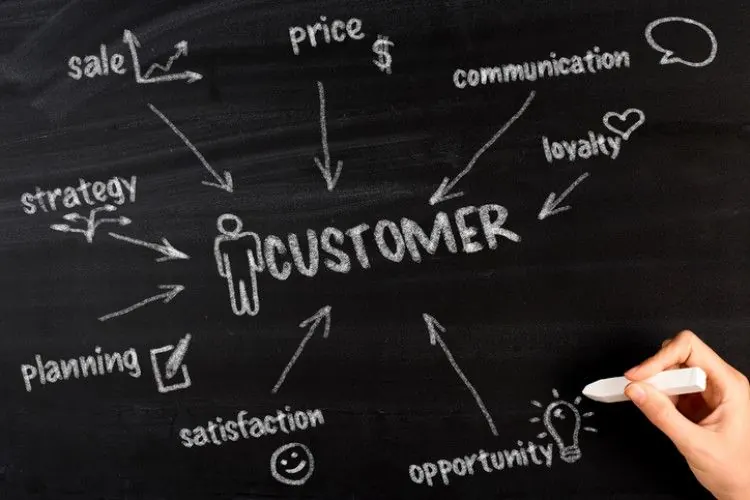
As 2025 unfolds, retailers are executing their plans and capitalizing on opportunities throughout the year. But customers are increasingly conscious of their purchasing habits, which makes crafting impactful campaigns essential — not just to drive immediate sales, but to earn consumer loyalty and retention over the long term. According to Statista, 78% of consumers worldwide agree that becoming loyal to a brand comes after the first purchase.
To cater to evolving consumer preferences, retailers must align their promotional campaigns with the key shopping triggers of their customers. Real-time insight into purchasing habits can help retailers make decisions that pay off both in the short term and in long-term loyalty.
Avoid Overloading Promotional Messaging
An influx of promotions can leave shoppers feeling fatigued and frustrated. The way brands rise above the noise is by focusing on clarity, relevance, and value — communicating clearly when a promotion period ends, and keeping discounts simple and relevant.
Instead of mass promotional messaging, retailers should personalize campaigns to the specific needs of different customer segments. Using historical and real-time data, brands can tailor offers based on customers' past purchases, preferences, and browsing habits, and AI-driven insight can help predict what each shopper is most likely to want, making messaging more relevant and effective.
Brands must also keep messaging consistent across channels — email, SMS, push notifications, and social media — while spacing it out enough that customers don't get bombarded and unsubscribe. Tactics that create a sense of urgency, like "only a few left" or "exclusive offer for VIP members," can drive action without excessive messaging.
Convert First-Time Shoppers Into Loyal Customers
Discounts may drive impulse purchases and short-term sales, but brands cannot rely on them alone to build loyalty. Retailers that combine discounts with customer experience, convenience, and personalization stand out from the crowd.
First impressions matter. When first-time customers enter stores, they need a seamless shopping experience, a fast checkout, and top-tier service to turn them into repeat customers. Technologies such as mobile point of sale (POS) and RFID-powered self-checkout, which facilitate speedy checkout and seamless operations, can help brands drive retention and loyalty.
Brands should also make post-purchase communication more human-centric and personable. By leveraging an integrated customer relationship management (CRM) system, retailers can use data-driven insight to send personalized thank-you emails, product recommendations, or exclusive discounts.
Best Practices for Retailers to Thrive in 2025
Retailers can follow a few best practices to thrive throughout the year. First, each retailer must invest in the right technology — one that delivers a real return on investment and an enhanced customer experience — and continue monitoring and upgrading based on new advancements. Technology deployment doesn't mean human displacement; retailers should use technology to help people do their jobs more effectively.
Brands that strike the right balance between technology and their human workforce can give customers unforgettable experiences that combine speed and accuracy with a human, personal touch. Retailers should partner with an experienced technology provider that works with them as a partner in improving efficiency, productivity, and customer experience.
David Mauerer is sales manager at Teamwork Commerce, an omnichannel enterprise retail solution.