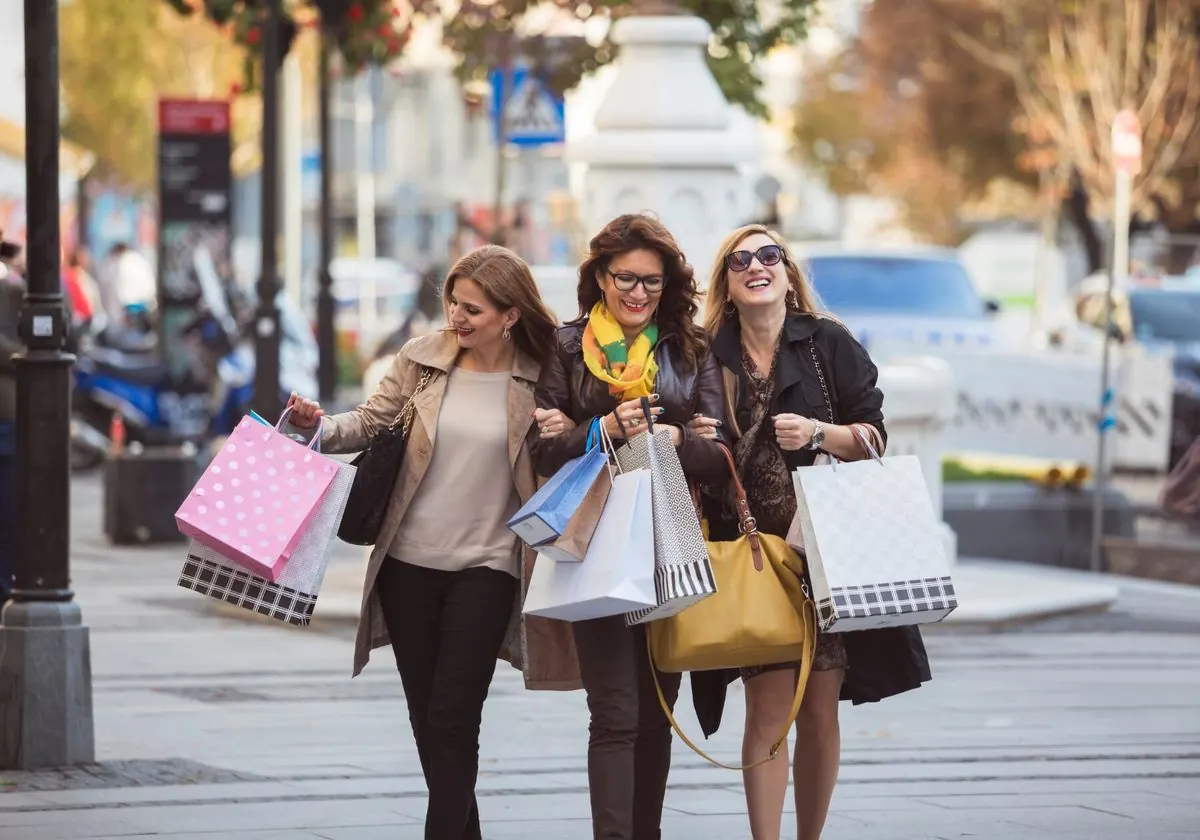
In the UK, total retail sales increased by 2.6% in January, marking the industry's most substantial growth in nearly two years. The ongoing challenge for retailers now is to keep pushing for growth, and creating unique, creative customer experiences is one of the ways brands are driving sales.
Opening a physical store usually comes with steep upfront costs, which is one reason brands have begun exploring the growing value of pop-up retail, also known as flash retailing. Pop-up retail is a temporary retail space used to sell products, promote services, or create unique customer experiences. Pop-up stores rely on temporary locations and come in various forms — stand-alone pop-ups, shop-in-shop pop-ups, or cooperative pop-ups — each tailored to brand objectives and consumer needs.
On social media in particular, the buzz around pop-up stores has started to dominate platforms such as TikTok and Instagram. With online influencers attending and sharing insights on new products and launches, pop-ups have become a core opportunity for brands to expand their audience and attract new customers.
To further extend the value of pop-up stores, retailers are turning to technology to expand beyond physical spaces into online experiences. Digital pop-ups — limited-time online events, temporary webpages, or eCommerce platforms — further advance the customer journey and create virtual brand experiences.
Creating the Ultimate Scene for Brand Visibility
A top priority for retailers is ensuring a constant flow of traction in the public eye. Recent statistics show that 81% of customers prefer companies that offer a personalized experience, and pop-up stores can serve as a key tool for retailers to raise brand awareness and add a personal touch to shopping.
One brand that has showcased the influence of personalization tactics is the UK plush toy brand Jellycat. Last summer, Jellycat opened its Fish & Chips London experience pop-up, drawing inspiration from the classic British dish while offering a range of exclusive toys. The brand encouraged fans to take part in an interactive experience with staff and ensured each customer left with a personalized product alongside their purchase.
By using flash retailing, brands can connect with customers on a personal basis, offer exclusive products, and further enhance the customer experience. Incorporating retail technologies such as customer relationship management (CRM) tools into pop-up stores lets retailers analyze customer purchasing habits across sales and gain visibility over consumer preferences — ultimately allowing them to offer tailored discounts and promotions while driving product sales.
Pushing Boundaries with Experimental Shopping
Teamwork Commerce's Technical Service Director, Clint Ridenour, has noticed a continued trend of retailers using pop-up shops: "Some of Teamwork Commerce's clients are using these pop-up experiences that are great for them to connect with customers in a new and different way. We are able to use our Mobile POS to support and get those set up quickly."
Many retailers are turning to interactive and experimental features to bring pop-up stores to life. One increasingly popular tool is augmented reality (AR). UK department store Selfridges partnered with Snapchat to create an AR sport-inspired experience, letting customers virtually try on a kit while enhancing their interaction with the brand.
Including technologies such as mobile point of sale (POS) is an efficient way to keep that memorable experience going through checkout. Deploying speedy, smooth checkout solutions like Mobile POS lets retailers focus more on the pop-up experience itself and less on the logistics behind it, with payments taken anywhere — convenient and flexible for any pop-up store or event.
Striving for Cost-Effectiveness
"Try before you buy" is one of the many benefits brands enjoy with a pop-up store. Compared to running a permanent physical store, pop-ups let retailers test new products and new locations while lowering overhead costs.
As a result, retailers have begun exploring digital pop-ups as a cost-effective way to strengthen their customer base and engage shoppers. Many of these are hosted on a website or social media platform and used to create a sense of urgency or excitement around a brand. UK beauty brand Benefit launched its 3D shopping experience, "The Benemart," letting customers browse the store as an avatar, shop with friends, and bring gaming-inspired commerce into the mix. An immersive digital pop-up can serve as a social hub for loyal and new customers alike, and its cost-effectiveness gives brands room to expand their community without the financial burden.
The Impact of Social Media
Social media has played a big role in the rise of pop-up stores, particularly as more influencers are invited to pop-up stores and events, creating a sense of community within the retail scene. Recent statistics show that one in 10 Gen Z consumers in the UK said they regularly buy products promoted by influencers — part of why influencers themselves are using pop-ups to break into retail, with celebrities like Molly-Mae debuting fashion line Maebe at a London pop-up.
Digital pop-up stores, or "live shops," are now a prominent part of the shopping experience. Platforms like Instagram, TikTok, and Facebook are making shopping more accessible by letting users discover, browse, and purchase directly from their feeds — giving retailers a way to interact with audiences in real time, encourage sales, and expand the brand community.
The Takeaway
The value of pop-up retail is a fundamental asset to retailers. By incorporating experiential installations, AR experiences, or interactive displays into pop-up shops, brands can empower customers to forge meaningful connections and enhance overall brand visibility. These temporary installations can transport consumers, create immersive experiences, and build a new customer base. Brands who use the power of flash retailing can capitalize on multiple opportunities to drive sales, increase revenue, and grow their customer base.